Hans Kalliwoda is a transdisciplinary artist, researcher, and social-ecological interventionist whose work has spanned immersive installation, mobile international projects, and experimental ecological systems since the 1980s. The practice explores how art can activate bodies, environments, and communities, shifting perception through physical participation, cross-cultural exchange, and systemic thinking. Early explorations with suspended paintings in multi-dimensional installations established a lifelong inquiry into embodied experience and energy exchange.
In the mid-1980s, extended bicycle travels across Africa profoundly shaped the approach to sensory, rhythmic, and communal expression. These experiences led to the development of large-scale suspended works and immersive environments, designed to be entered, felt, and physically experienced rather than observed at a distance. Colour, form, and spatial perception operate as carriers of lived sensation, inviting viewers into an embodied dialogue with the work.
Following the Fourth Dimension installations in New York, London, and Sunny Side Up in Amsterdam, the early 1990s saw an intense rhythm of international exhibitions, with constantly emerging new works. Yet the acceleration highlighted a tension between rapid production and the slower, attentive sensibility cultivated through prior travel and lived experience. Stepping back from gallery dependency and supported by the Blindpainters Foundation, the practice shifted toward long-term, self-determined trajectories, moving from discrete works to interconnected systems, and from episodic exhibition to sustained research and engagement.
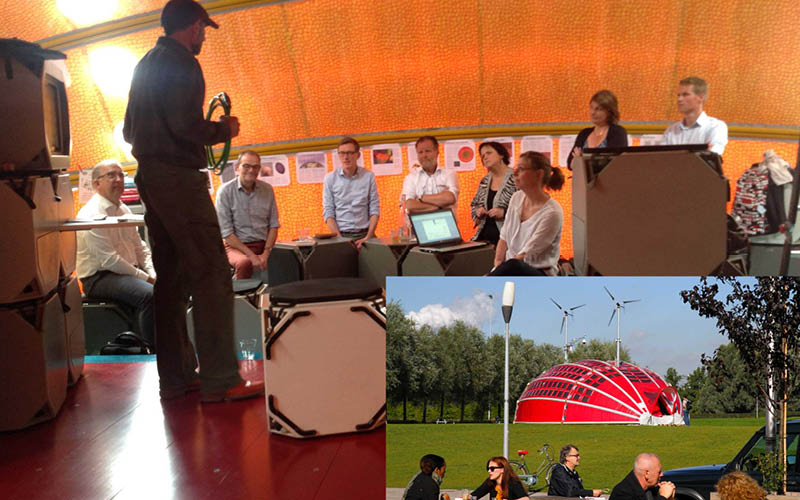
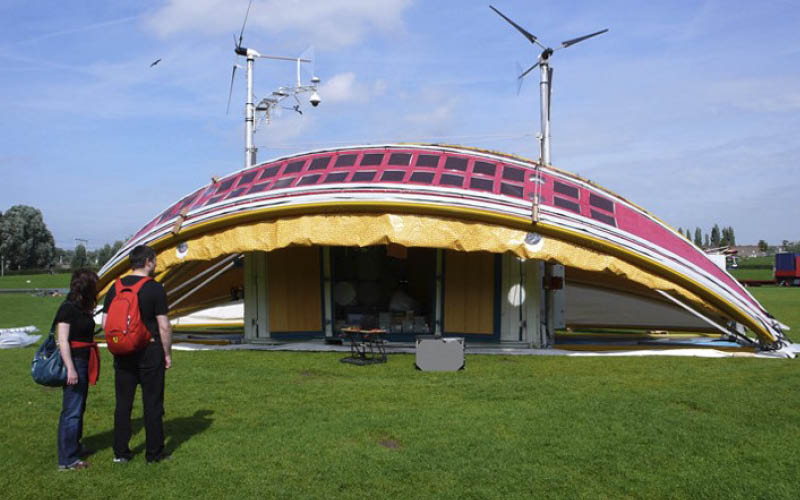
Europartrain (1995–2001) transformed trains into mobile cultural platforms, enabling cross-pollination of artistic ideas, local identities, and collaborative practices across Europe. The Polliniferous Project / World in a Shell (2000–2010) developed semi-public interventions at universities and collaborative labs, exploring sustainability, systemic thinking, and community-based ecological concepts. The Pollination Lab extended these themes into experimental urban interventions, linking ecological observation, community participation, and collaborative methodologies.
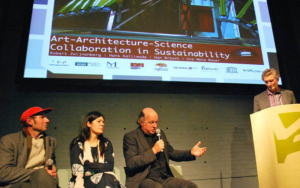
Between 2013 and 2017, the practice expanded into academic research, with a PhDc. Art Researcher role (external PhD) at Leiden University. Leveraging extensive curatorial experience, innovative modes of mediation were developed to re-envision exhibition practices for contemporary society. As co-director of the TuDelft Urban Ecology and Ecocities Lab, international collaborations with academics and specialists continue to devise novel methodologies for transforming urban centres into nature reserves for wild pollinators.
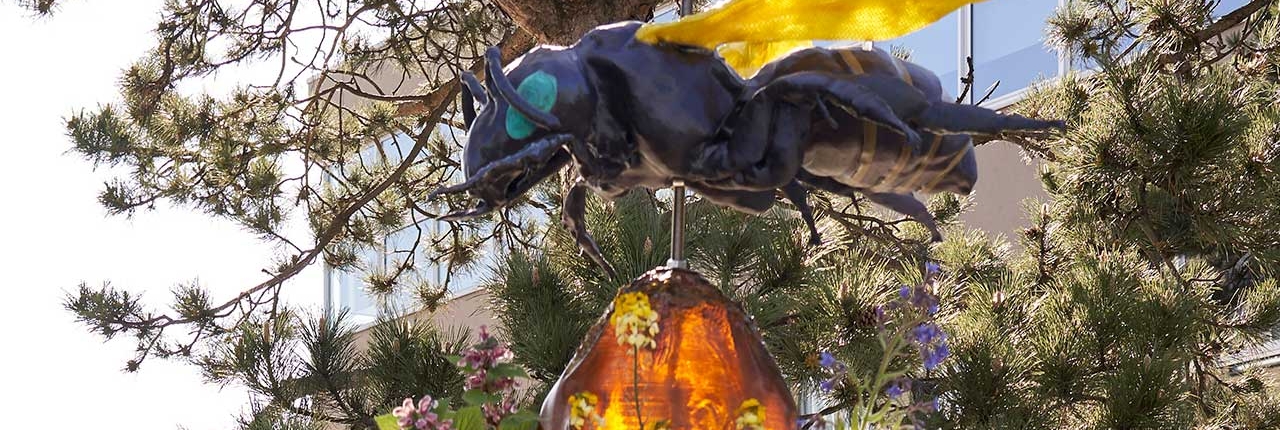
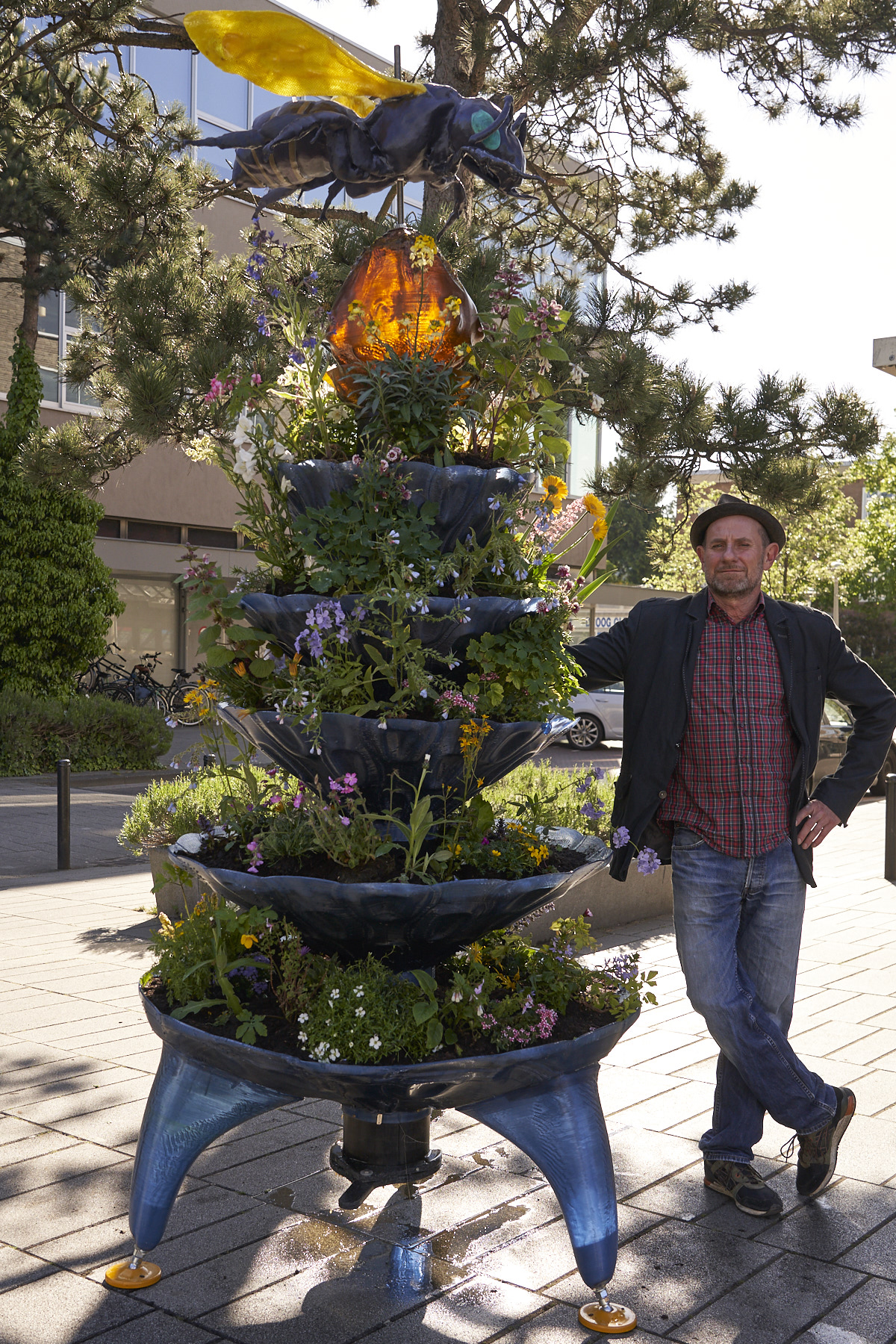
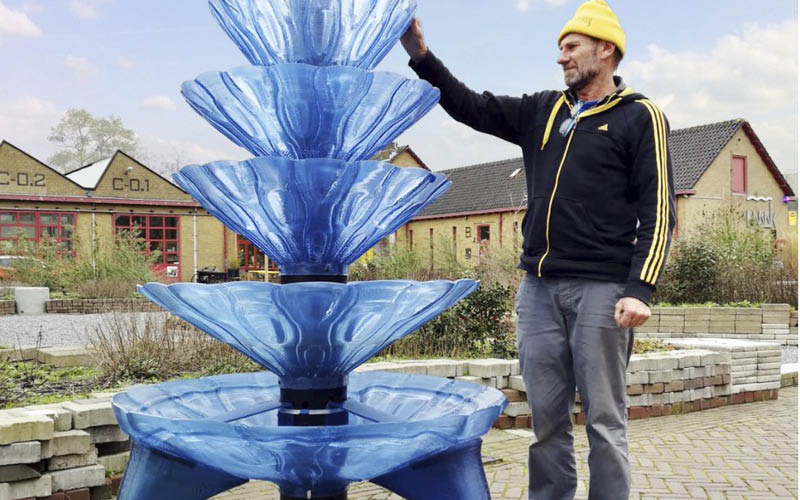
BeeTotems for RefuBees (2018–present) translates these investigations into urban neighborhoods, creating temporary habitats for indigenous bee species while fostering ecological literacy and social cohesion. Performative dimensions culminate in the BeeCircus and in the Totem of Togetherness, a social sculpture and participatory reflection on collective action, interdependence, and shared futures, carrying philosophical, spiritual, and metaphysical resonance.
Across these projects, the work consistently investigates how art can serve as a medium for regeneration, interconnectedness, and transformative participation, merging ecological, social, and cultural inquiry in a single, evolving practice.